Just a year after opening its doors, College of Western Idaho (CWI) Nampa Campus Agricultural Sciences Complex is already transforming how students learn, work, and connect with the agricultural industry.
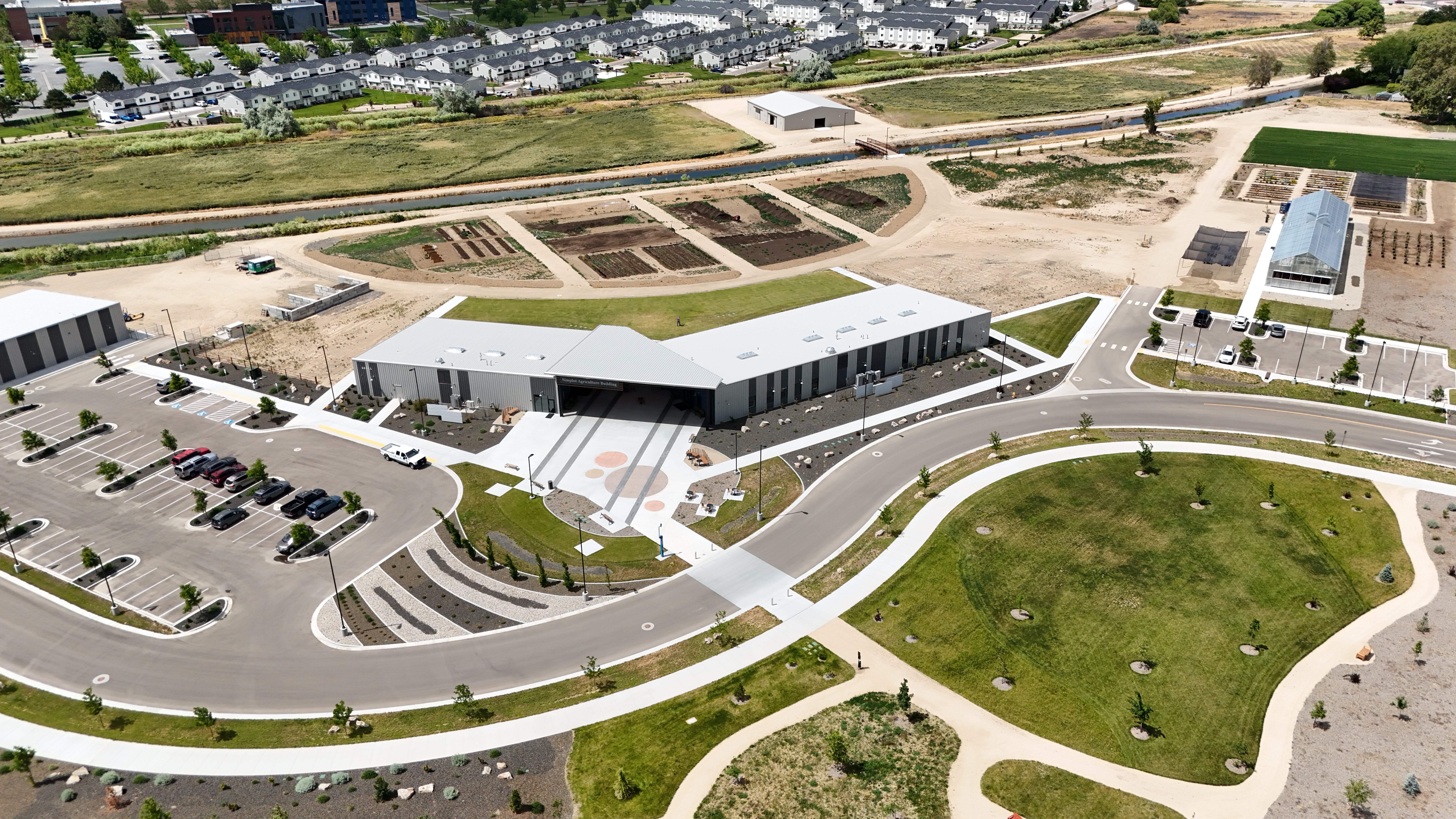
Located on 40 acres at CWI's Nampa Campus, the Agricultural Sciences Complex was designed to provide hands-on learning experiences across Animal Veterinary Science, Agricultural Business, Leadership and Education, Horticulture Technology, and Fermentation Science. The facility serves as a living laboratory where students gain practical skills while supporting the community and helping shape the future of agriculture in Idaho.
Over the past year, students, staff, faculty, alumni, and industry partners have worked together to bring several new projects to life. From growing fresh produce and raising livestock to creating demonstration gardens and turf management spaces, each addition strengthens the Complex's mission of connecting classroom learning with real-world experience.
Growing the Urban Market Garden
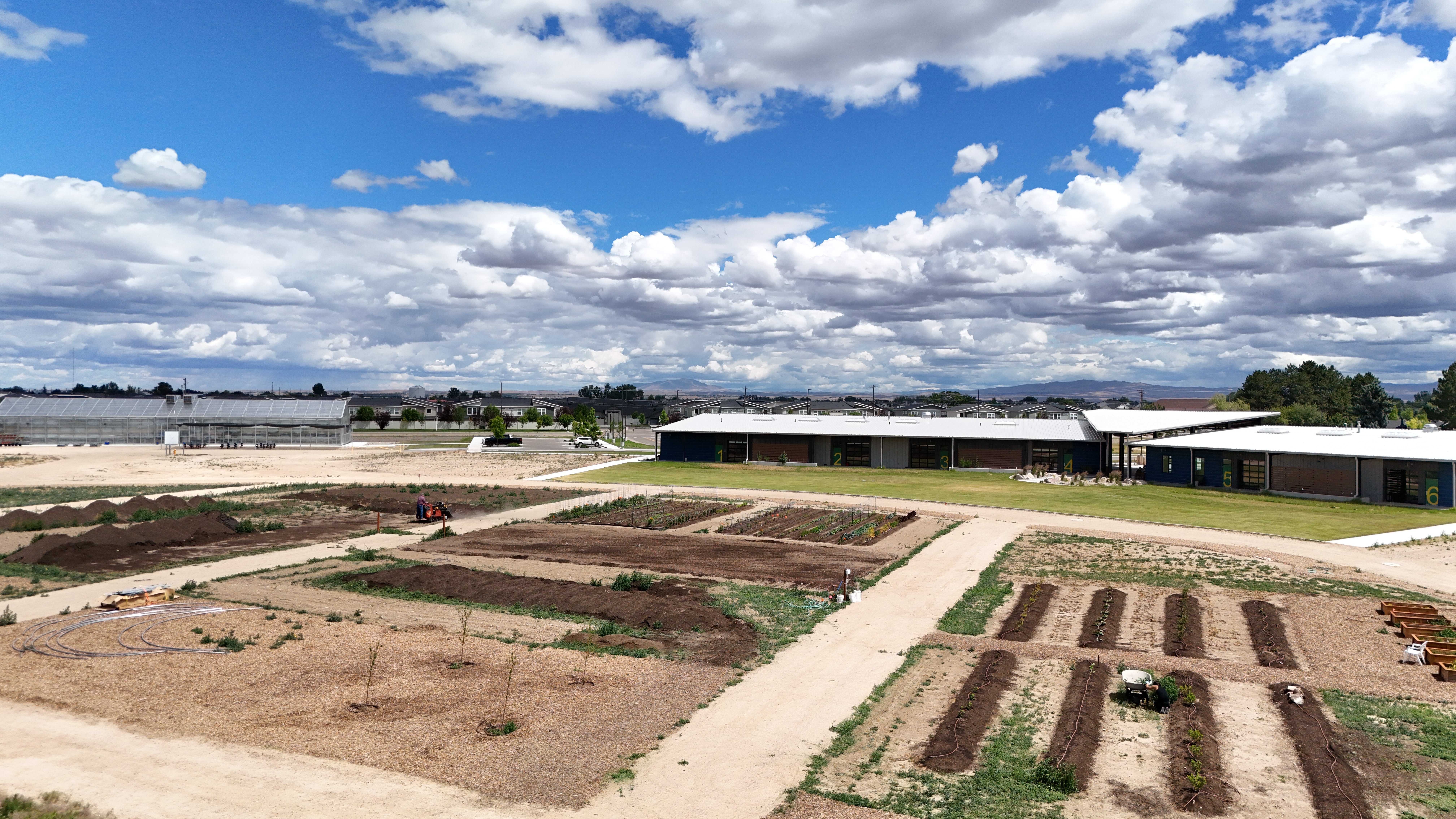
One of the largest projects completed this year is the Urban Market Garden, a two-acre growing space designed to reflect the realities of urban agriculture in the Treasure Valley. Developed through collaboration among faculty, staff, students, and Technical Advisory Committee members, the garden provides both educational opportunities and fresh produce for students.
The garden includes berry production areas, vegetable plots filled with herbs, squash, tomatoes, and peppers, and a growing fruit orchard featuring apples, pears, and peaches. Students gain hands-on experience in everything from planting and irrigation to pruning fruit trees and crop management.
Students in Greenhouse and Nursery Management (HRTC 208) grew many of the vegetables planted throughout the garden, while students in Landscape Management: Installation (HRTC 204) and Landscape Management: Irrigation (HRTC 152) helped bring the space to life through project-based learning.
For Horticulture Technology student Taylor Vanosdol, the Market Garden represents more than a class project.
"It is pretty nice having something tangible that I can look at and think, 'I did that,' Vanosdol said. "Just last year this was basically a dirt patch. Now people walk through and enjoy how beautiful it is."
As a Work-Study student, Vanosdol helped install fencing, plant crops, and now maintains the garden, applying lessons learned in the classroom to a space that will continue serving students for years.
The project also highlights the power of community partnerships. Horticulture Technology graduate, Ramiro Villafana, and his team at Luxury Lawn Care completed much of the hardscape and irrigation work while students worked alongside industry professionals. Bailey Nurseries donated fruit trees and berry plants, and Timber Creek provided compost to improve soil health.
Beyond education, the garden supports food security efforts by providing fresh fruits and vegetables that can be shared through student resources and, eventually, a planned campus storefront.
Bringing Animal Science to Life
This spring marked another major milestone as the Agricultural Sciences Complex welcomed its first livestock residents to the Animal Science Barn: 30 laying hens representing three different breeds. The addition gives Animal Veterinary Science students daily opportunities to learn animal care, management, and production practices in a real-world environment.
The chickens are part of a larger vision for livestock education at the Complex. Future plans include expanding into additional species, beginning with meat goats, while incorporating regenerative agriculture practices that improve soil health and demonstrate sustainable farming methods.
The hens also support the Complex's farm-to-table mission by providing eggs that can benefit students and the broader community.
Showcasing Plants Through the Display Garden
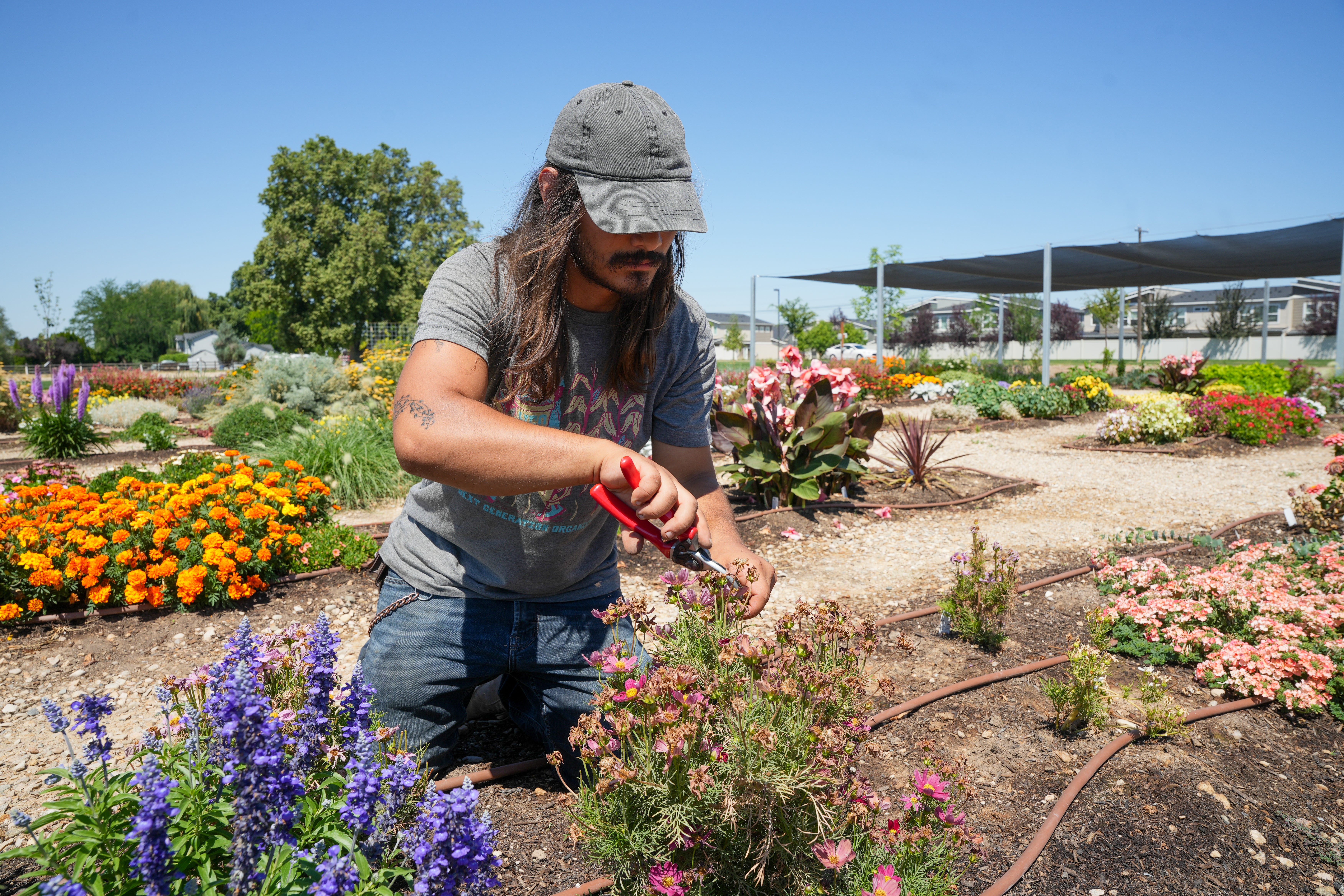
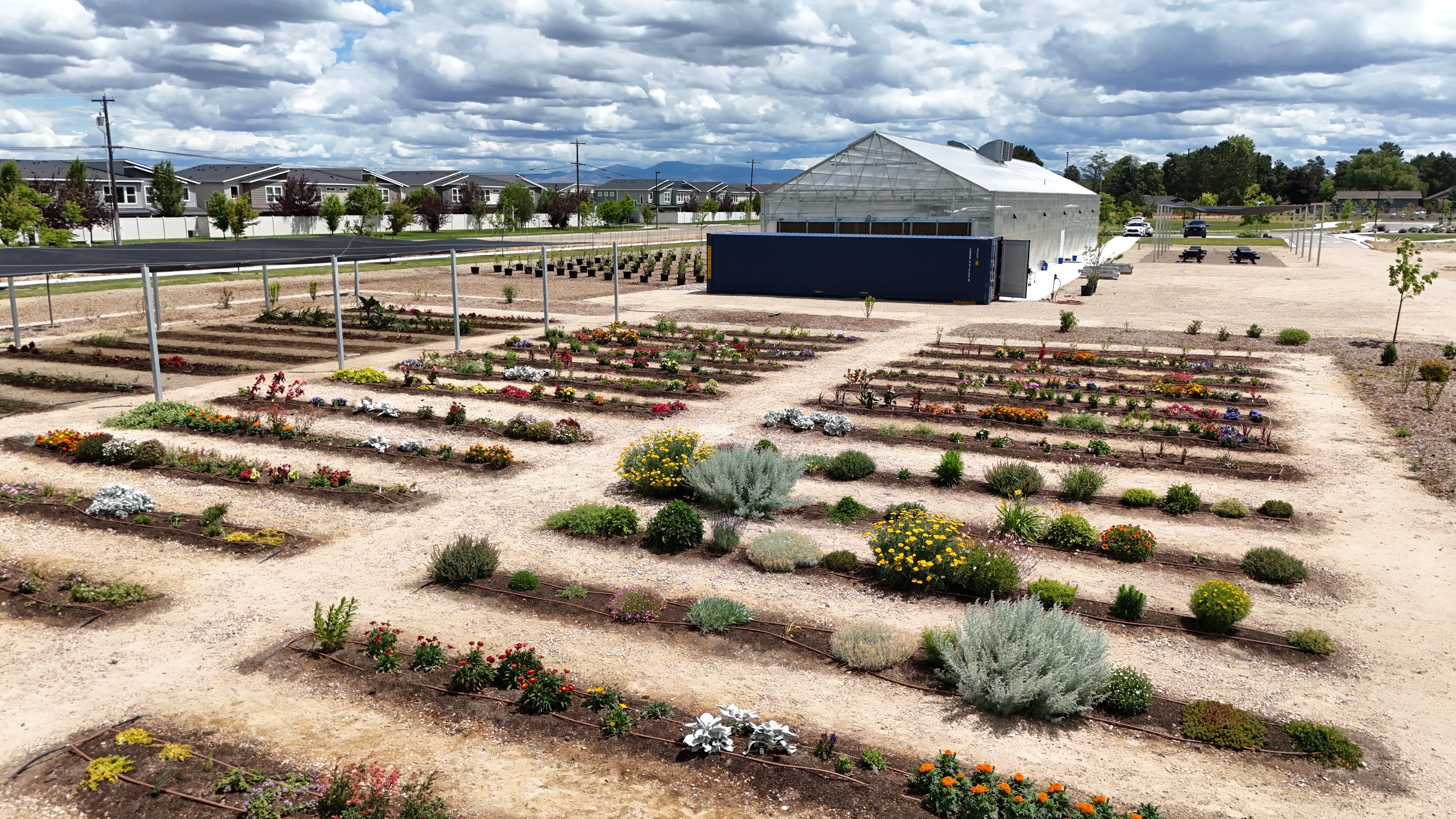
The first major project completed at the Complex was the Annual and Perennial Display Garden. Designed as an outdoor learning laboratory, the garden helps horticulture students identify more than 150 plant varieties while studying scientific names, plant characteristics, and landscape applications.
The space serves as a living classroom for students enrolled in the Annuals and Perennials (HRTC 106) course, where plant identification is a core component of the curriculum. Students in the Greenhouse and Nursery Management (HRTC 208) course grow much of the plant material before installing it in the garden. The space then becomes a living classroom throughout the academic year.
Horticulture Technology student, Hilario Medina, has watched the gardens evolve from open ground into active learning spaces.
"We have slowly been working at it, installing things, and now it is really starting to look like something," Medina said. "A lot of these gardens were made for classes."
Medina said returning to projects semester after semester allows students to build on previous work while seeing how classroom lessons translate into real-world landscapes.
Like many projects at the Complex, the garden was built through collaboration. Horticulture Technology Graduate, Isabelle Genovese, co-owner of Bee Wise Gardens, partnered on the design and installation, while Bailey Nurseries helped supply additional plant material.
Building Skills in the Turf Trial Area
The newest addition to the Complex is the Turf Trial Area, completed this spring. The space provides students with hands-on experience operating industry equipment, maintaining turf systems, and learning irrigation design and management.
The area supports coursework focused on Landscape Management: Irrigation (HRTC 152) and Landscape Management: Maintenance (HRTC 107), allowing students to practice with the same equipment and systems they will encounter in the industry. The project features multiple irrigation systems that allow students to compare approaches and better understand water management practices. It also showcases Endura Turf, a lower-water-use turf variety that requires less maintenance than traditional Kentucky bluegrass. Again, through a community partnership with the Turf Company and Darwin McKay’s 30 plus years of service on the Horticulture Technical Advisory Committee.
Completing the project was a team effort. Faculty, staff, alumni partners, and even employees from other College departments came together to install approximately 68 rolls of sod in just two days.
Powered by Community
A common theme throughout every project is collaboration.
From alumni owned businesses and industry partners to faculty, staff, students, and donors, the growth of the Agricultural Sciences Complex reflects a community-wide investment in education. Partnerships with organizations such as Bailey Nurseries, Luxury Lawn Care, The Turf Company, irrigation districts, and major supporters including Simplot and other donors have helped accelerate the Complex's development.
Many projects are completed over multiple semesters, with work-study students, faculty, alumni, and industry partners contributing at every stage.
"This is what community college is all about," Assistant Dean of Agricultural Sciences, Andrea Farner said. "Students learn here, graduates come back to give back, industry partners share their expertise, and together we are creating opportunities for future generations."
Looking Ahead
While significant progress has been made during the Complex's first year, the long term vision is just beginning.
The goal is to fully develop the 40-acre property over time while creating opportunities for students to experience every stage of modern agriculture — from production and sustainability to food science and business.
"I like seeing a space become better," Medina said. "You do not always get many opportunities in life where something is definitively better because of the work you did."
The Agricultural Sciences Complex will continue to grow with vineyards, hops production areas, pollinator habitats, native plant gardens, and more. Each addition will create new opportunities for students to gain hands-on experience while helping bring that vision to life.
As that vision continues to take shape, so do the opportunities for students. From horticulture and animal science to agricultural business and fermentation science, the Complex is helping prepare the next generation of industry leaders through hands-on learning and real-world experience.
Those interested in exploring careers in agriculture can learn more about CWI's Agricultural and Natural Sciences pathways and the programs shaping Idaho's future workforce.