October was a busy month for College of Western Idaho (CWI) Anthropology Program and Anthropology Club, with two events bringing students, Tribal representatives, archaeologists, and community members together to explore Indigenous culture and archaeological research.
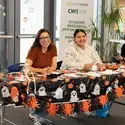
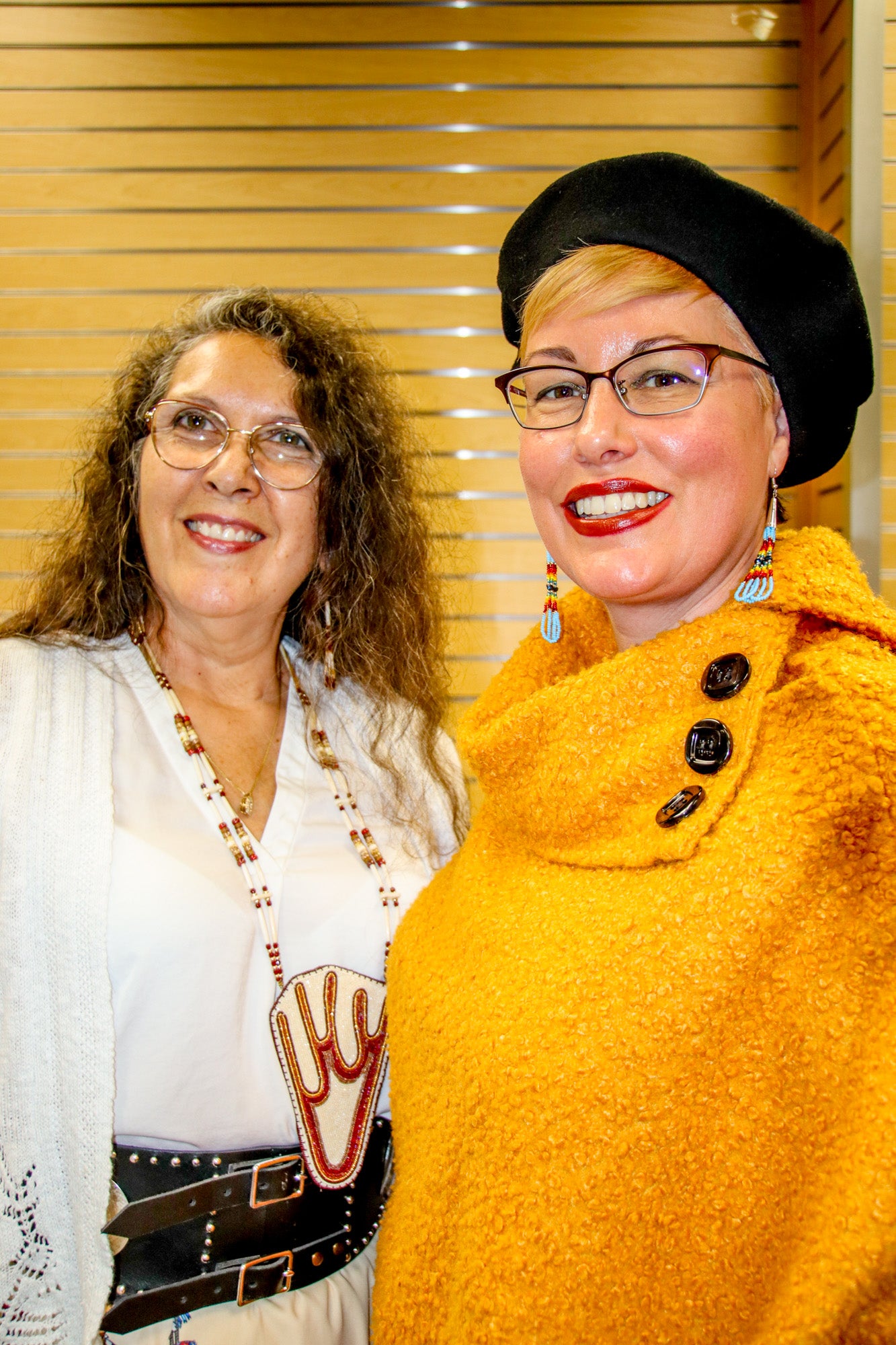
On Oct. 12, CWI Student Engagement and the Anthropology Program co-hosted an Indigenous Peoples Day event featuring Duck Valley Tribal member and author, Antoinette Cavanaugh.
Cavanaugh shared her experience writing the first bilingual children's book published in Shoshoni and English, Tammi tetevini, “Ne Hakannai Kimmakkante?” Little Brother asks, “Where Did I Come From?” She discussed her efforts to reclaim the Shoshoni language, what inspired her to write the book, and the importance of preserving Indigenous language and culture. Attendees also had the opportunity to purchase signed copies of her book and enjoy a selection of fall soups and breads provided by Student Engagement.
On Oct. 17, the Anthropology Program and Professor, Nikki Gorrell, hosted the annual Idaho Archaeological Society Conference at the Nampa Campus Academic Building (NCAB), bringing together more than 75 attendees, including more than 20 CWI students.
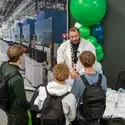
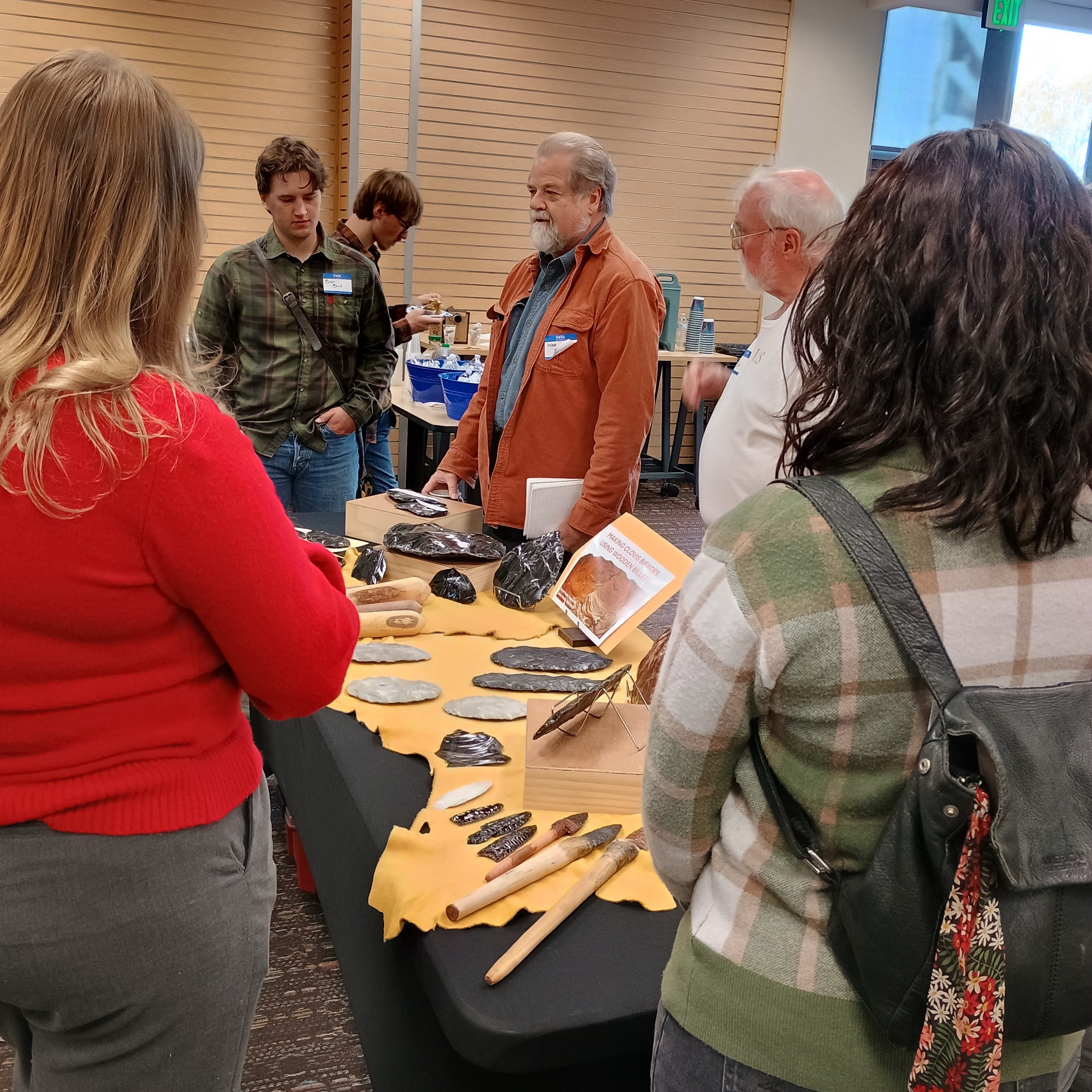
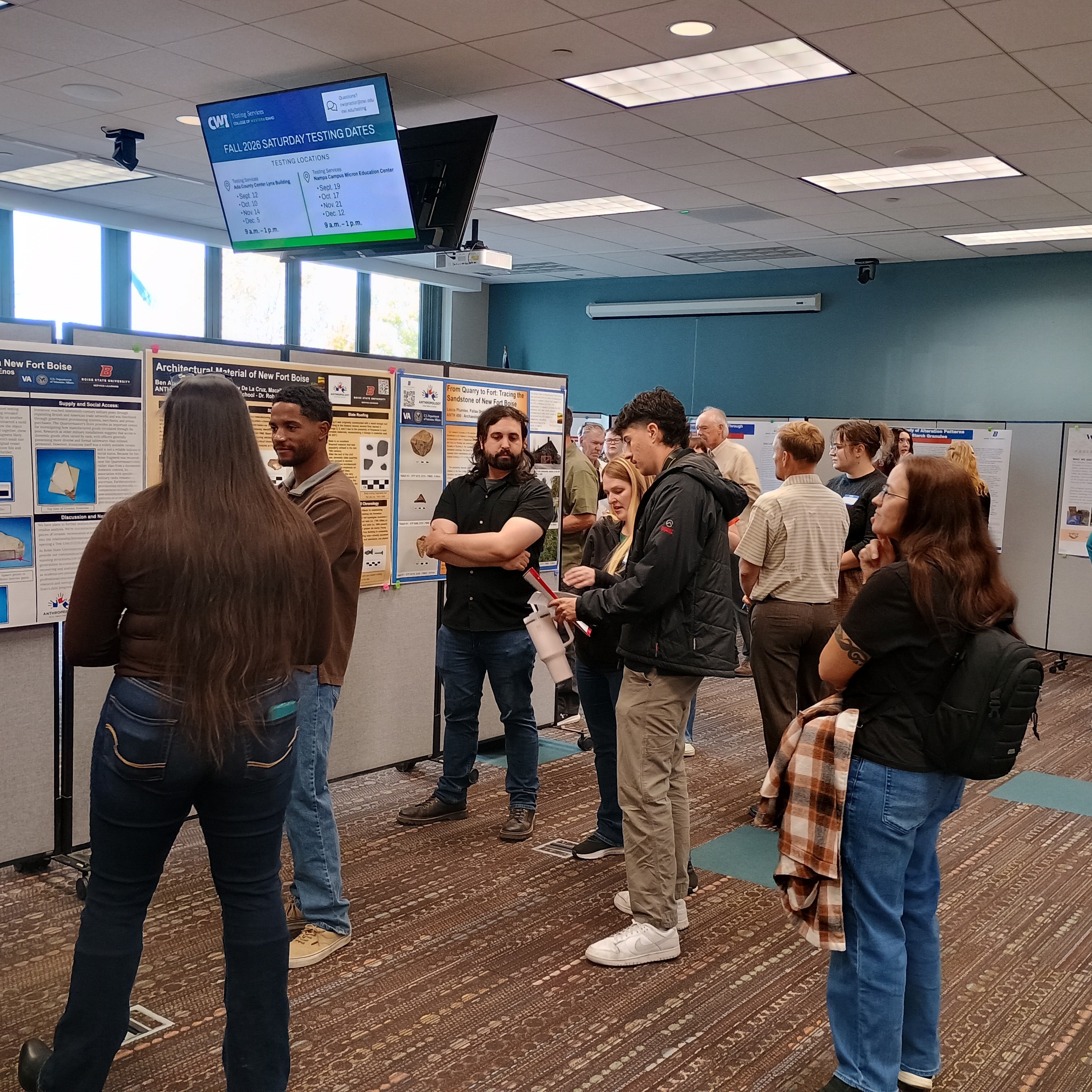
The conference featured 11 presentations by industry professionals and professors, along with a poster session featuring 10 research projects focused on archaeological discoveries and ongoing work. Attendees also explored an interactive exhibit demonstrating obsidian Clovis biface technology used to replicate stone tools dating back more than 10,000 years.
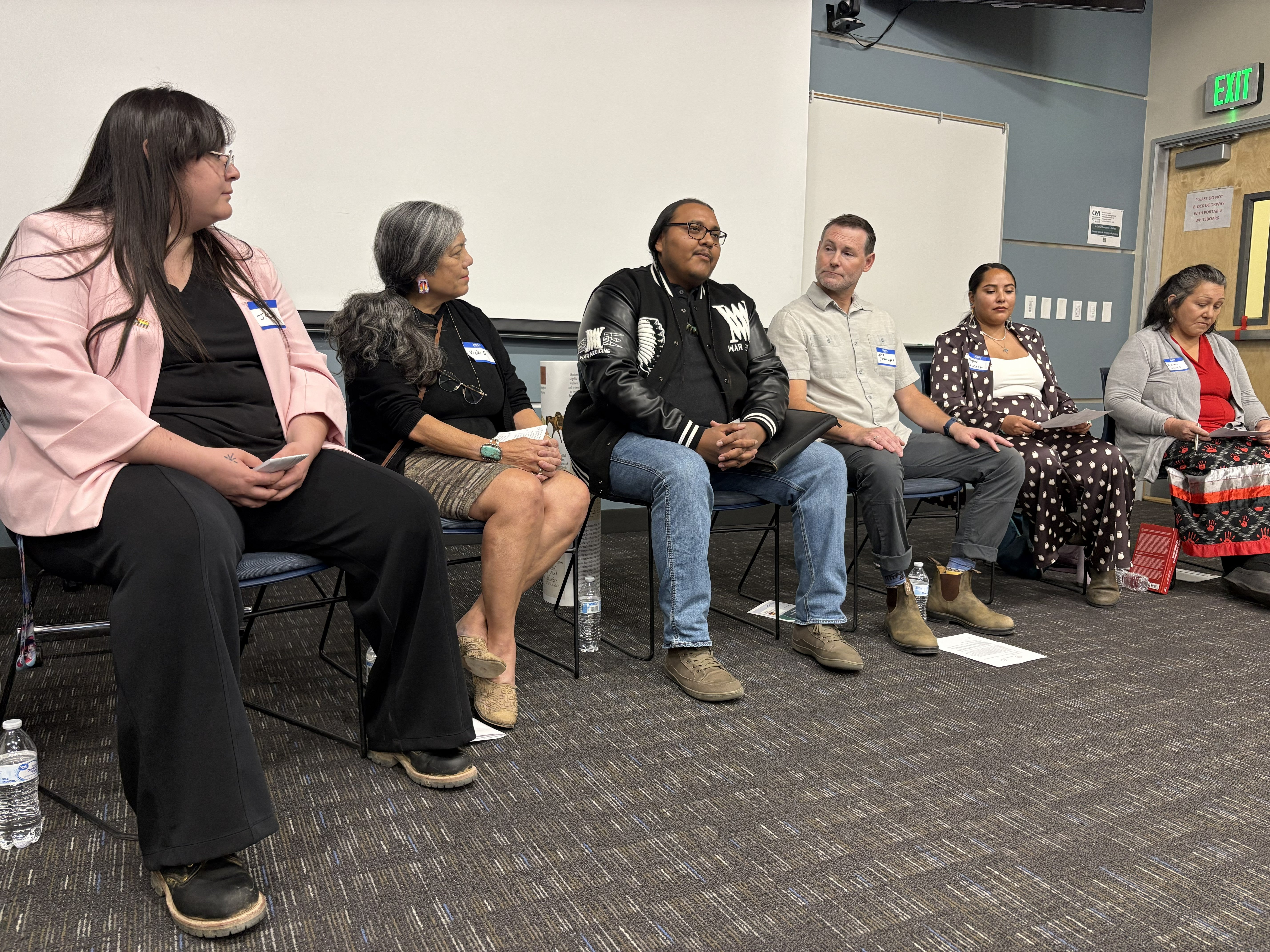
A highlight of the conference was Idaho's first Indigenizing Archaeology Panel, which brought together cultural heritage directors and professional archaeologists, including representatives from the Duck Valley Reservation (Shoshone-Paiute), Fort Hall Reservation (Shoshone-Bannock), and Burns-Paiute Reservation.
Panelists discussed ways Tribal communities, government agencies, and cultural resource firms can work together more effectively on archaeological research and cultural heritage preservation. The discussion focused on respectful collaboration, building relationships, and identifying practical steps that benefit Tribal communities and archaeological work.
CWI Adjunct Faculty, Jake Fruhlinger, who is also the Cultural Resource Manager for the Idaho National Guard, contributed to the discussion by addressing the importance of long-term relationships and ongoing communication between agencies and Tribes.
Members of CWI's Anthropology Club also helped support the conference, welcoming attendees and assisting with event activities.
Both events provided opportunities for CWI students and community members to learn, connect, and engage with the Anthropology Program.