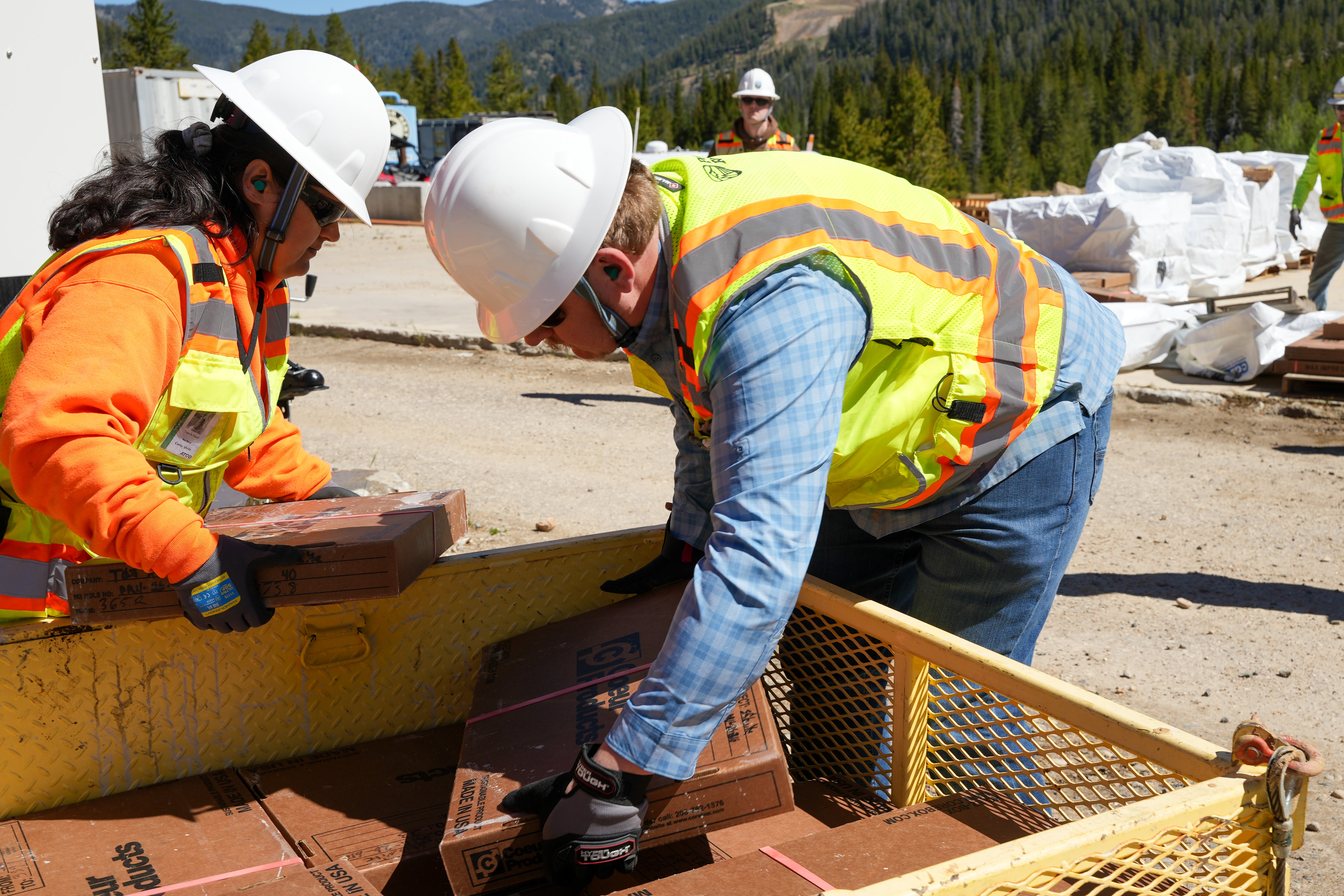
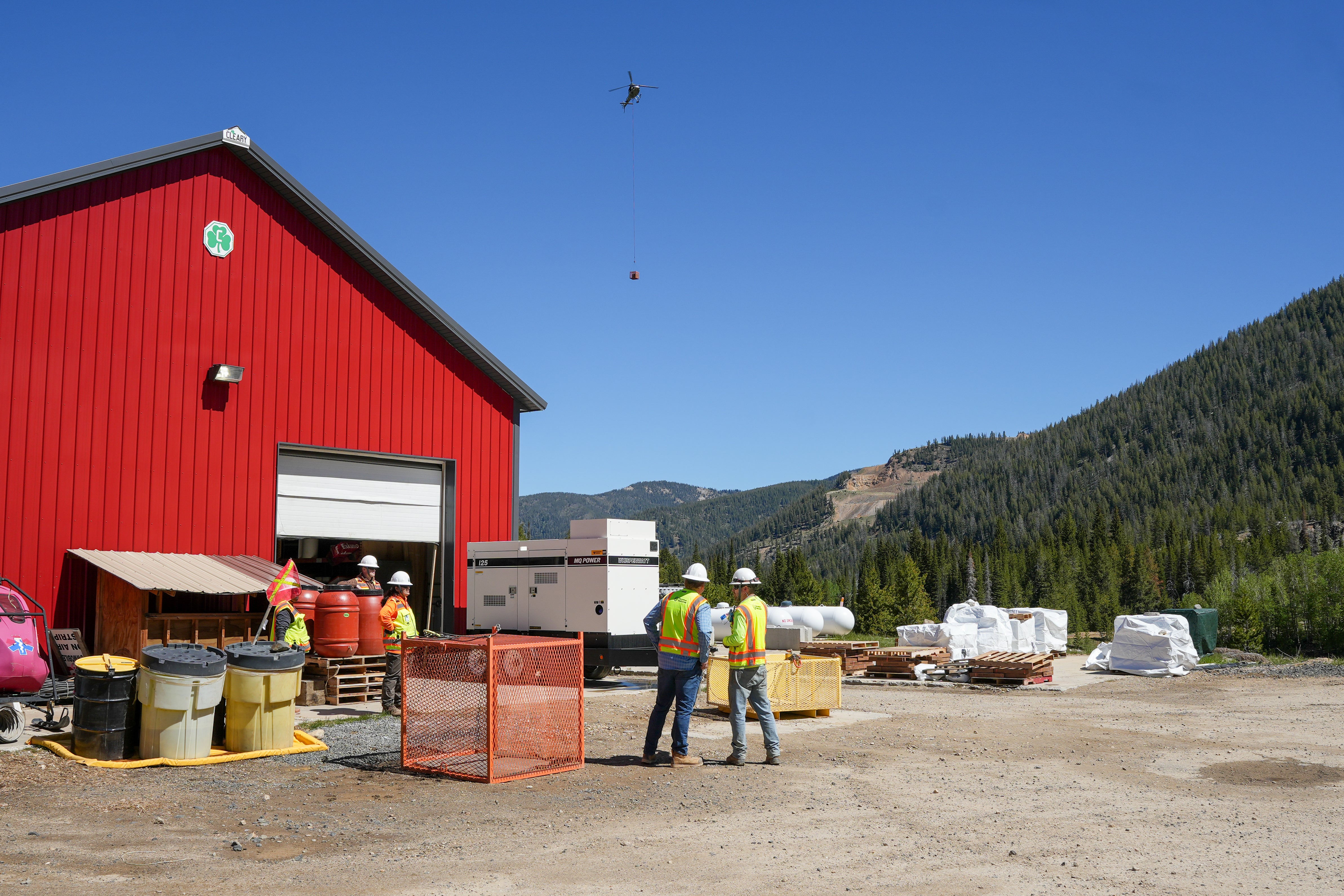
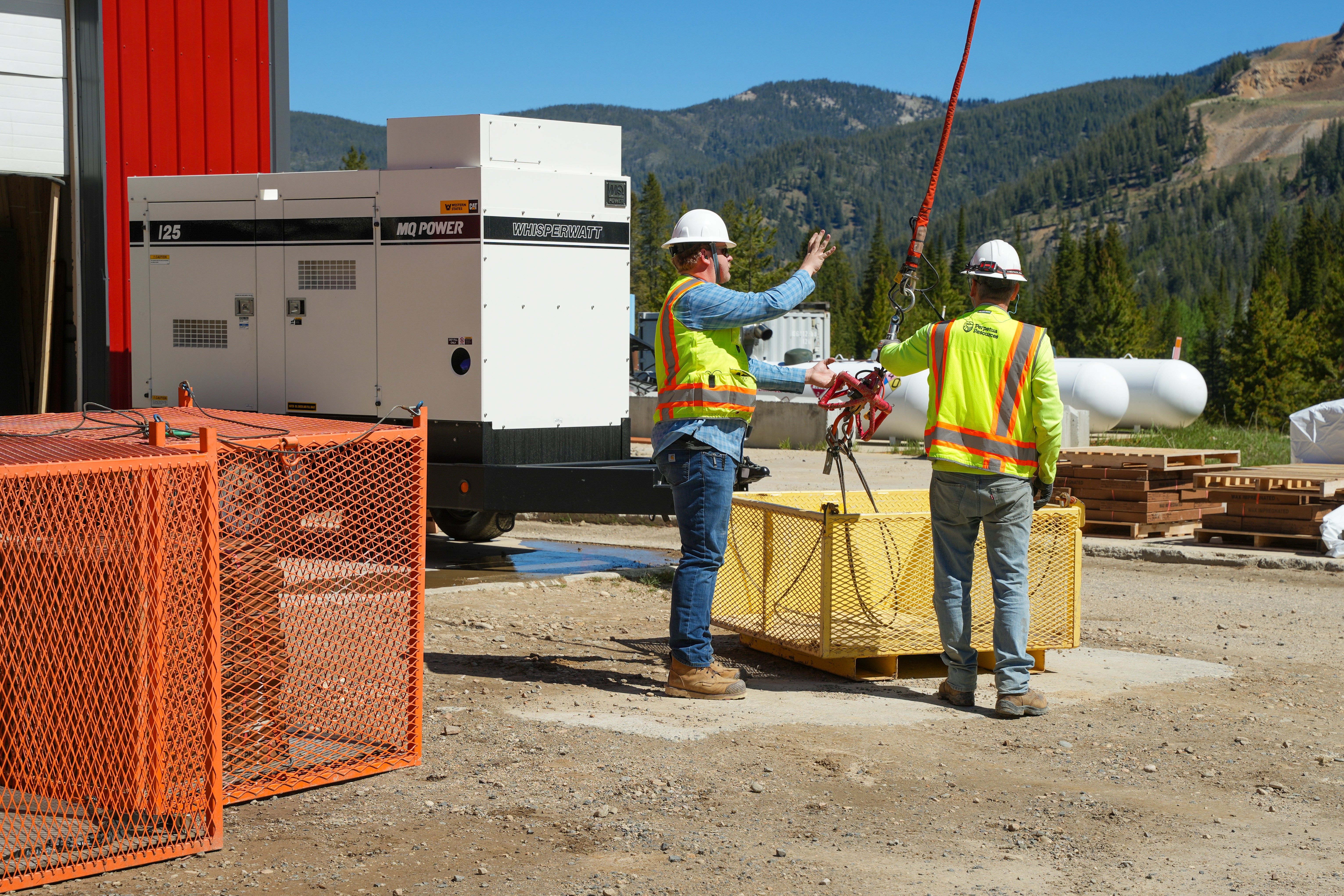
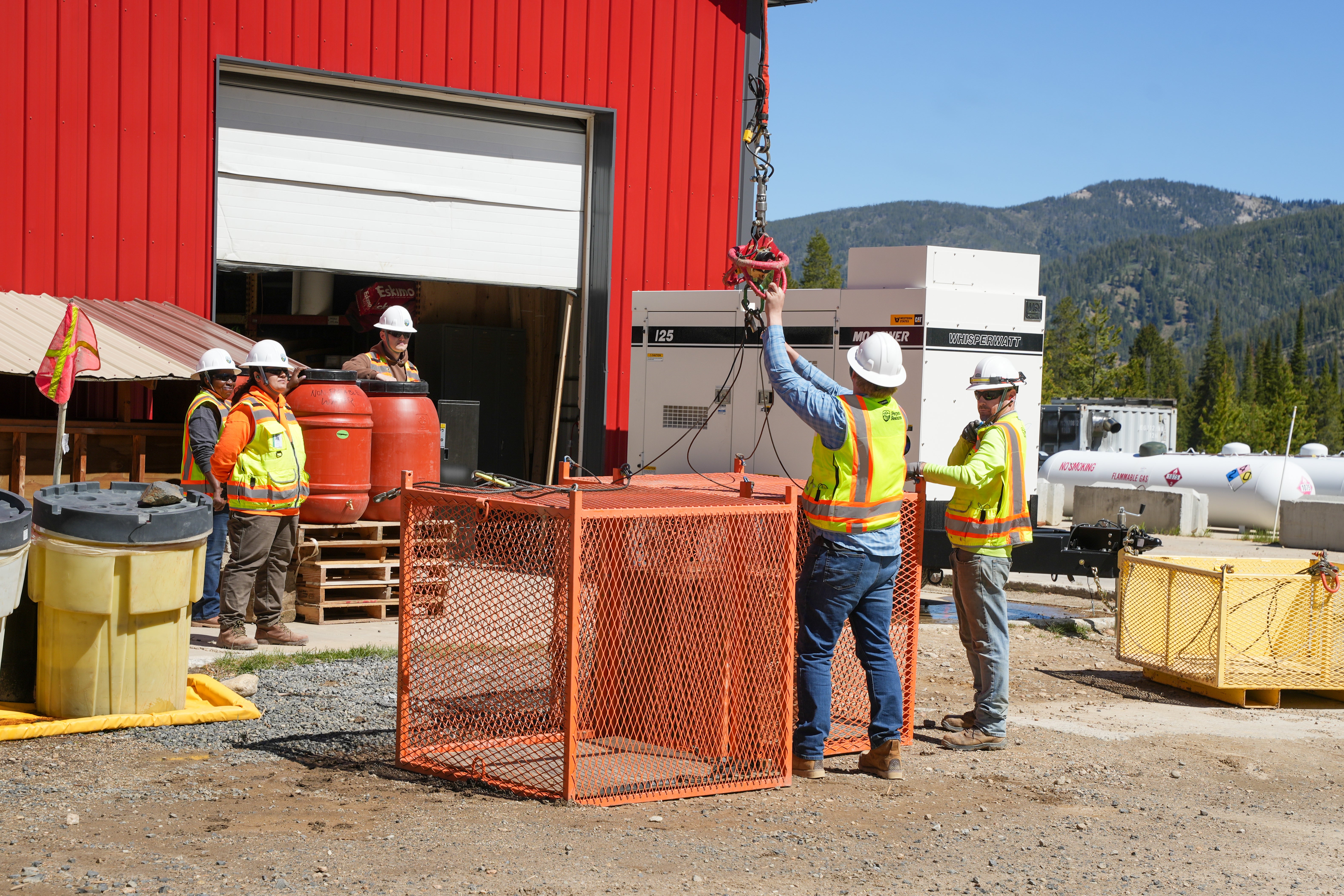
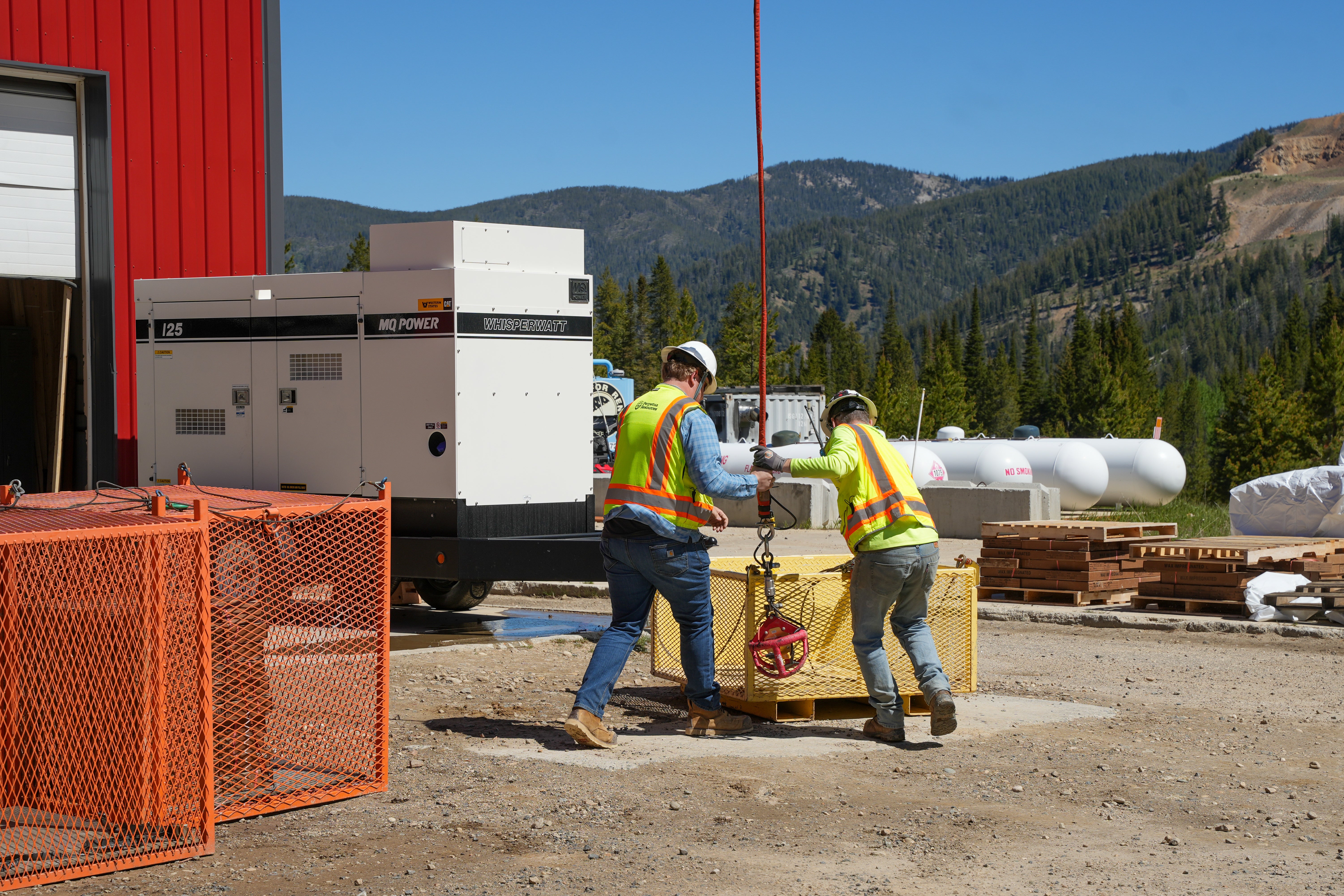
A helicopter hovered overhead as College of Western Idaho (CWI) Geosciences student, Samantha Dickinson, stood below, preparing to receive a load of drill core at Perpetua Resources’ Stibnite Gold Project in the mountains of Valley County.
Dickinson had been trained to receive crates suspended beneath the helicopter and attach empty ones for the return trip. Working below the aircraft, she had to keep her footing against the downdraft, watch the incoming load, and follow each safety procedure she had learned.
For Dickinson, it became one of the highlights of her summer internship.
“The coolest thing of my internship was actually catching the core crates from the helicopter and attaching the empty ones back to it,” Dickinson said. “It was exciting just working underneath the helicopter and cooler than I'd expect. I'd expect to feel fear, but there was no fear. It was only excitement.”
Inside those crates was another part of the experience Dickinson had been waiting for.
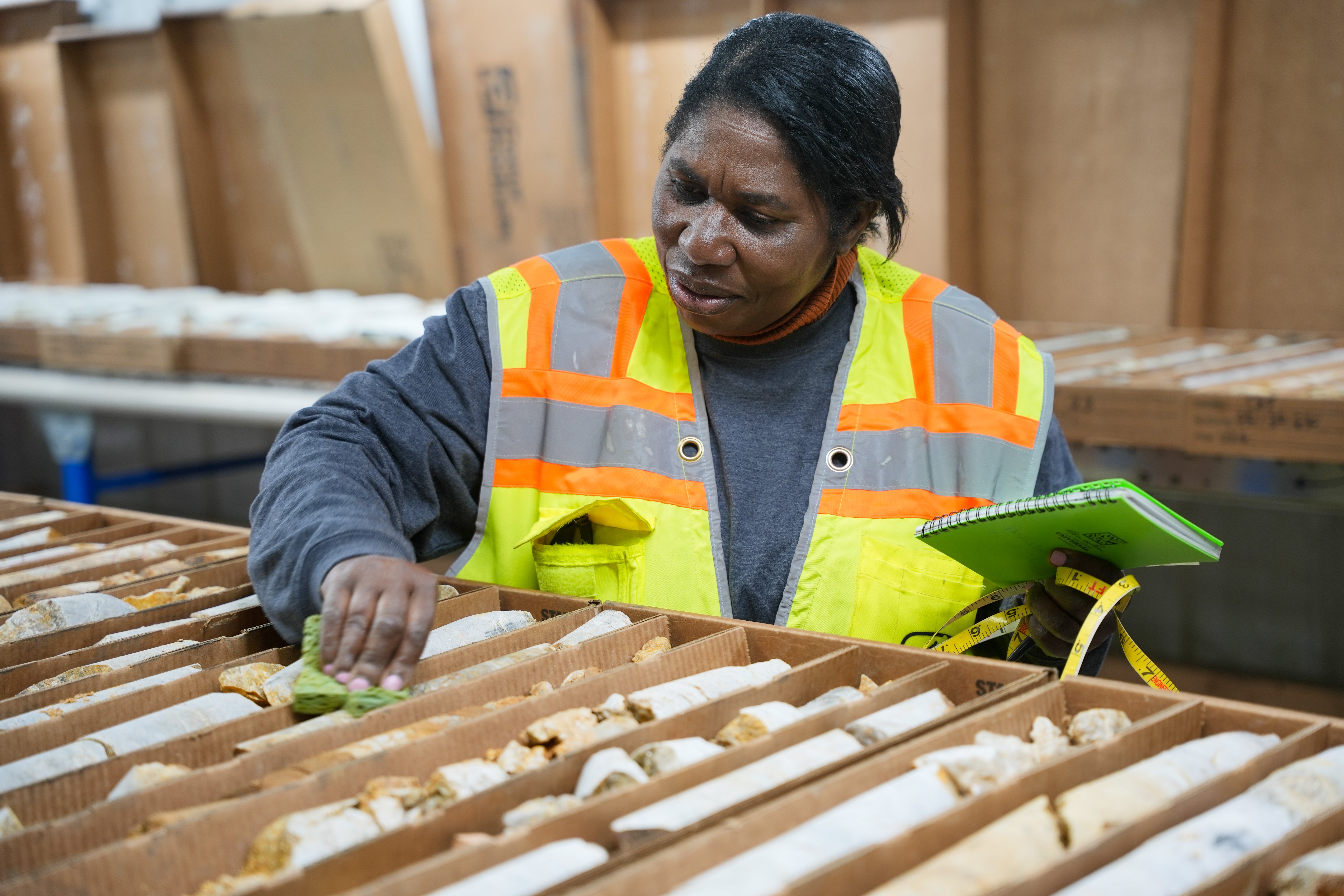
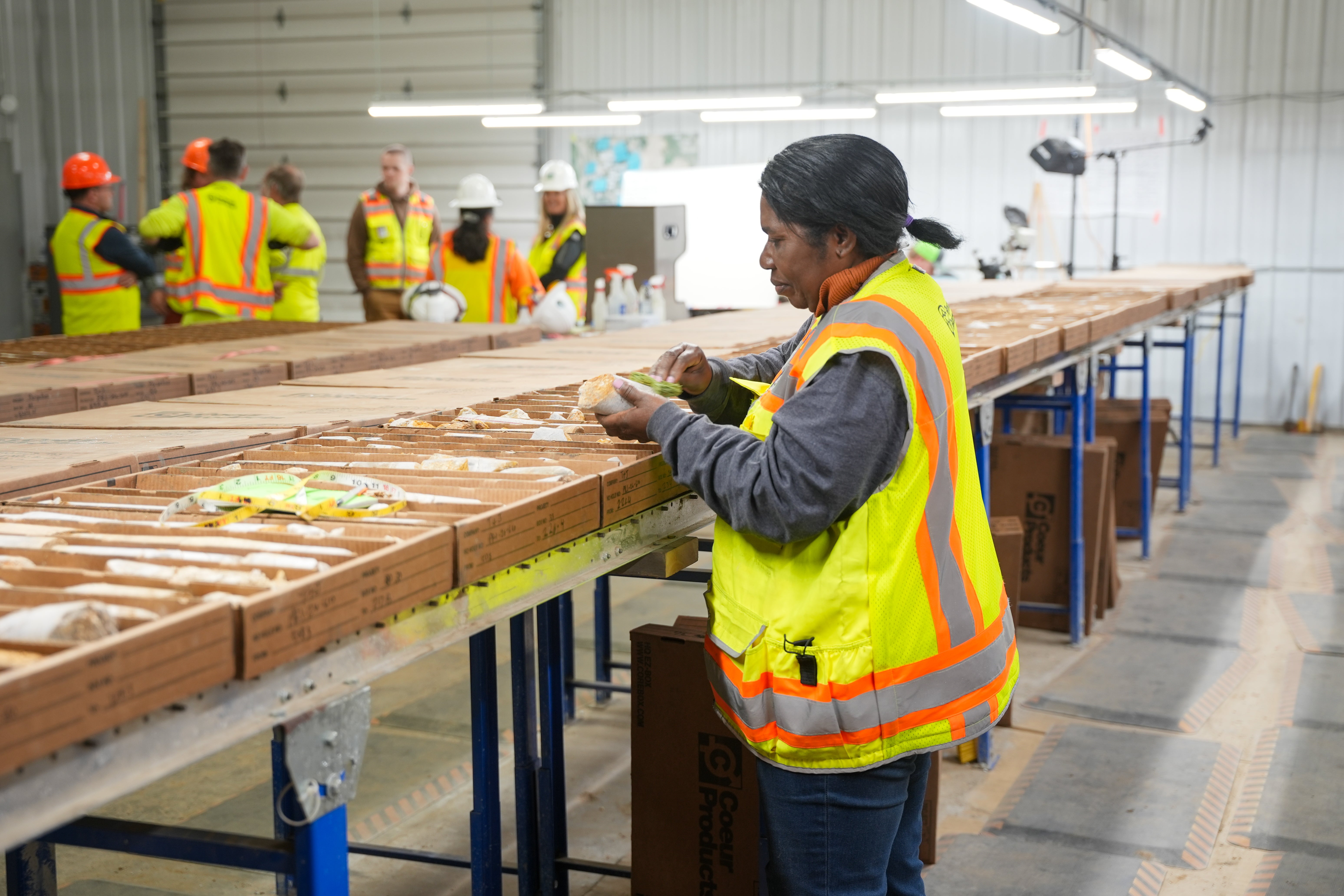
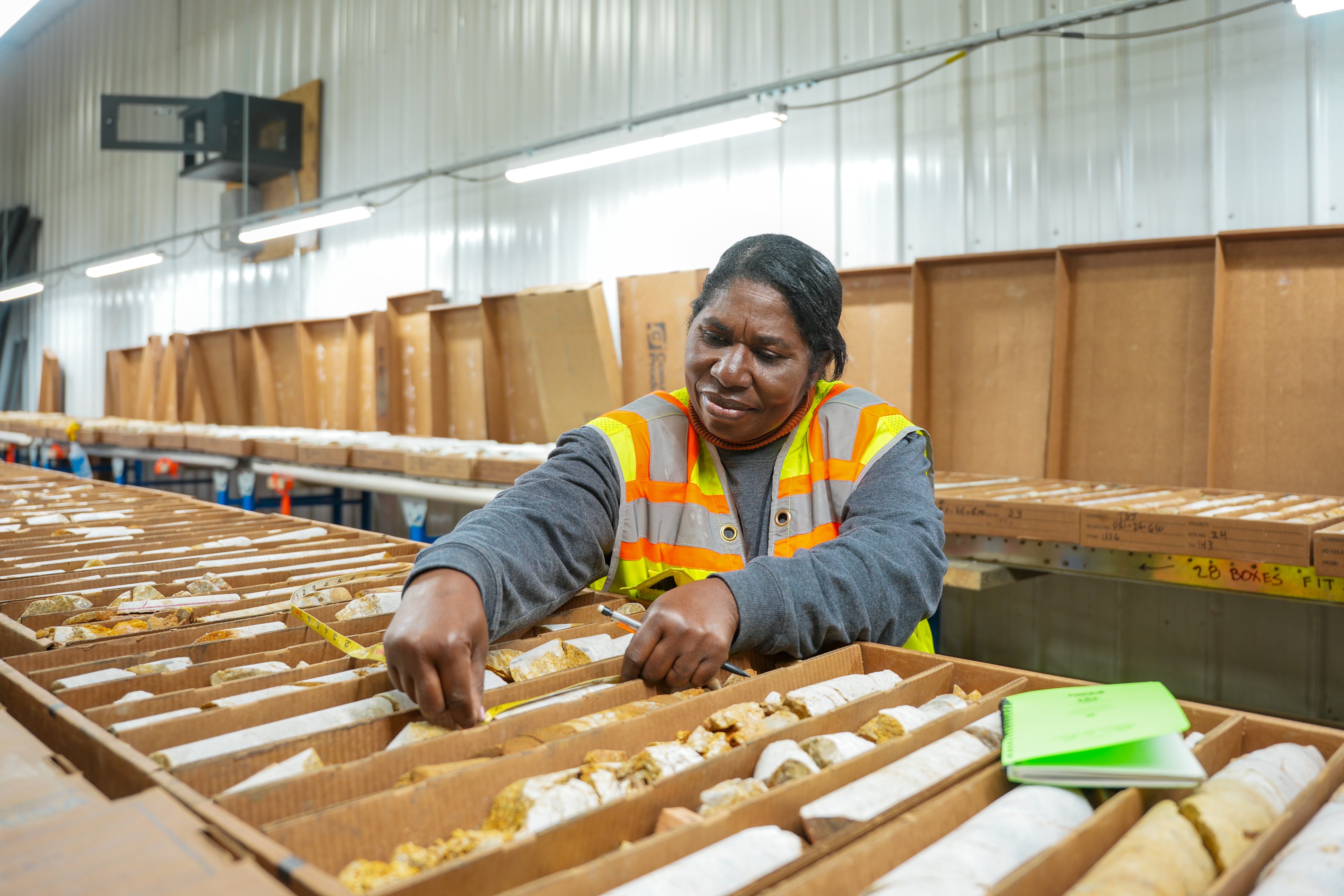
Drill core gives geologists a look at rock brought up from below the surface. Once it arrived, interns helped clean, photograph, measure and log the core, recording information about the rock and minerals they observed.
“What I enjoy most about the mining industry was actually seeing the core come out of the ground for the first time,” Dickinson said. “Being the first person to see the rock that is like 800 feet down there was awesome.”
Dickinson is pursuing Geosciences at CWI as part of a career change. A wife and mother of three, she works full time as a lab associate manager in a chemistry and microbiology laboratory while attending college.
After building a career in laboratory work, Dickinson decided to return to college to pursue her interest in geosciences and the outdoors. The internship at Stibnite gave her an opportunity to explore that new direction firsthand and see where a geosciences education could take her.
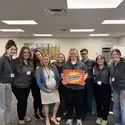
She was among several CWI Geosciences and Mining Technician students who interned with Perpetua Resources at the remote project site. Students worked 12-hour shifts during rotations that could keep them at Stibnite for 14 days at a time.
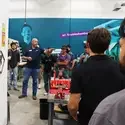
Their responsibilities included cleaning and photographing drill core, taking measurements, recording data, identifying rock and mineral characteristics, assisting with geotechnical logging and spending time around drill rigs and drill pads.
Some of the work was new, while other parts built directly on what students had already learned at CWI.
Before arriving at Stibnite, students had gained experience with concepts and skills they would encounter during the internship. Through coursework, Geosciences and Mining Technician students study rocks, minerals and earth processes and gain hands-on experience examining and logging geologic core.
At Stibnite, students had the opportunity to apply that knowledge in an active work environment.
CWI Geosciences Professor, Ander Sundell, said experiences like the internship at Stibnite are an important part of preparing students for work in the field.
“Once we leave the classroom and head out into the field setting, we're now going to be adding skills to the fundamental concepts we have learned in the classroom,” Sundell said.
For students, those connections became clear around drill rigs and in the core they handled each day.
“Working up on the actual rigs was very similar to what we did in the core logging course at CWI, and it translated the best from this program to the work environment,” said Geosciences student, Kyah Retherford.
For Geosciences student, John Otter, who had completed only one year in the program, the internship showed him how the foundation he was building at CWI connected to the technical work happening at Stibnite.
“There was a lot of stuff I didn’t know, but I do have those moments where I recognize how it correlates,” Otter said. “The core logging class I had last term kind of gave me a good foundation for what I'm looking at here.”
Mining Technician student, Pauline Banduenga, made a similar connection as soon as she saw the core.
“The first day I saw the core, I thought, ‘Oh, this is what we were doing in our classroom,’” Banduenga said. “Everything I learned in class, I found here. I was able to practice it and actually work with the minerals.”
However, the learning at Stibnite extended beyond identifying rocks and logging core. Living and working at a remote project site introduced students to the schedules, preparation, and teamwork that can come with a career in the mining industry.
For Retherford, that meant learning how to prepare for a 14-day rotation. Students needed enough high-visibility clothing, comfortable boots, and other supplies to last until the end of their two-week rotation.
“When you're there for 14 days, you don't just get to leave,” Retherford said. “You really need to make sure you have what you need to be successful in that environment.”
The days were long, but the setting offered an experience unlike a typical summer job.
“You may be working up there for 14 days, 12 hours on,” Retherford said. “It can be exhausting and hard. You work hard, but you're also enjoying your office in the woods.”
Giving students the opportunity to experience those realities before entering the workforce is one reason CWI has developed relationships with employers in Idaho's mining industry.
CWI launched its Mining Technician degree in Fall 2025. Developed with input from industry partners, the program prepares students for technician-level positions through classroom instruction, fieldwork, and opportunities for paid internships.
“Our industry partners have played a significant role in helping us develop this program,” Sundell said. “When we first put pen to paper to create it, industry was at the table.”
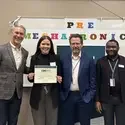
As one of CWI’s industry partners, Perpetua Resources, provides internships and supports students through the $250,000 Stibnite Launch Scholarship for those majoring in the College’s Mining Technician and Geosciences programs.
The Stibnite Gold Project is located in central Idaho’s historic Stibnite Mining District. The project received final federal approval in 2025 and has moved into early construction. Perpetua plans to mine gold and antimony while conducting restoration work at a site affected by historic mining.
For Perpetua Resources Local Engagement Coordinator, Blaine Serrin, the value of bringing students to Stibnite is giving them a firsthand look at the industry.
“Hands-on exposure to real-life mining environments gives you a good perspective of what to expect once you enter the industry,” Serrin said.
The internships also allow Perpetua to build relationships with students who could become part of Idaho's mining workforce.
“CWI really presented the perfect opportunity,” Perpetua Resources Senior Vice President of External Affairs, McKinsey Lyon, said. “You have faculty and a department that are ready, and it gives us a chance to grow this workforce right here at home, which is really important for our company as we look toward the future.”
For Dickinson, the summer at Stibnite marked an important step as she worked toward changing careers and pursuing geosciences.
“Being able to go up to the mine was pretty amazing, especially as a student still working toward an associate degree,” Dickinson said. “I was able to get boots on the ground and realize early on that this is something I want to do in the future.”
The experience opened more than one possibility. Dickinson said she could see herself pursuing a career in mining while continuing to explore her interest in environmental geology.
From standing beneath a helicopter waiting for drill core to examining rock brought up from hundreds of feet below the surface, Dickinson saw what she had learned at CWI take on new meaning.
“Seeing the connection between the school and actually going out there in the environment made things make more sense,” Dickinson said.
Learn more about CWI's Geosciences and Mining Technician programs and the hands-on learning opportunities available to students.