College of Western Idaho's (CWI) Geoscience program is bringing science and history together through a hands-on collaboration aimed at preserving a piece of local heritage in Nampa.
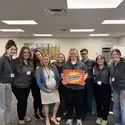
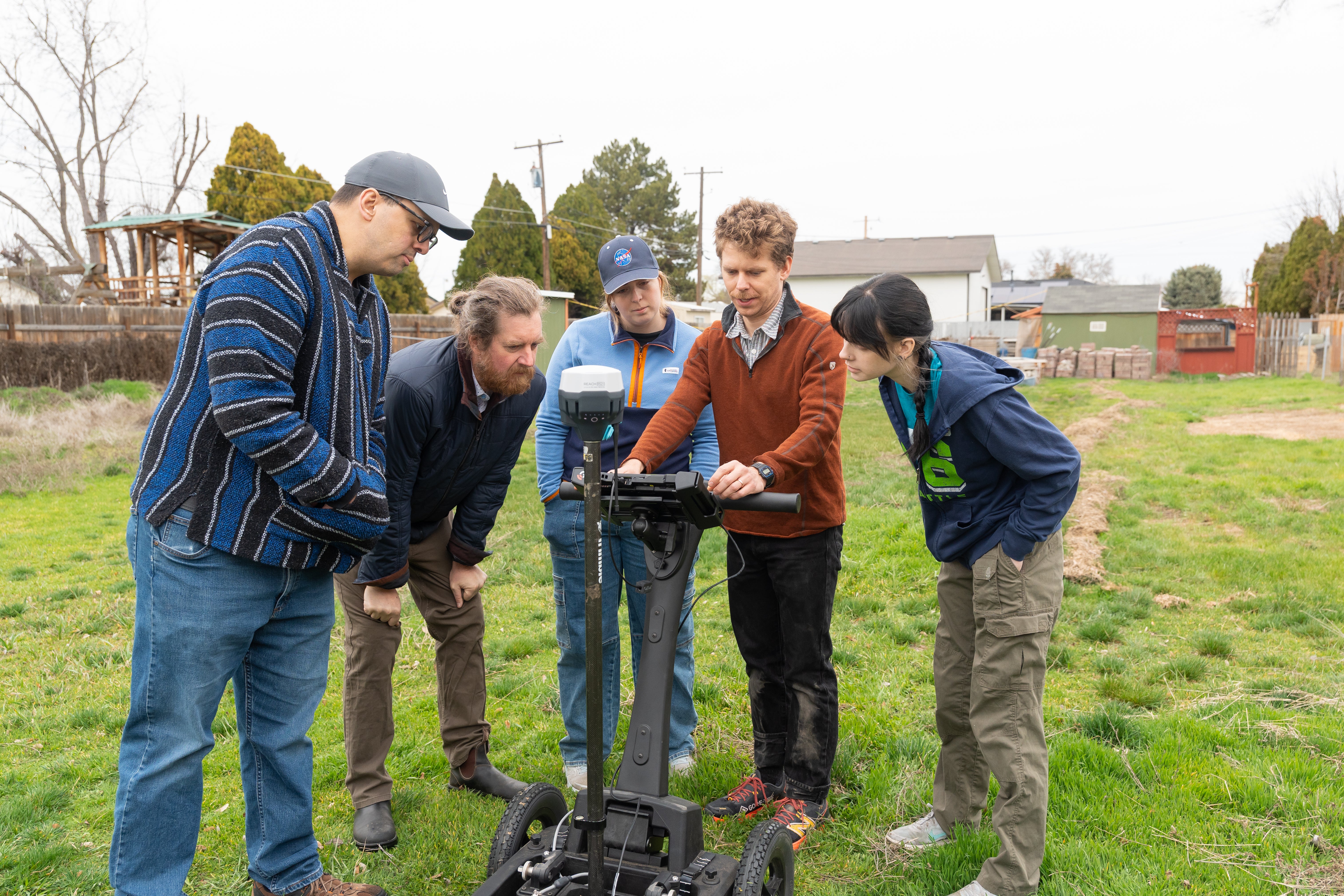
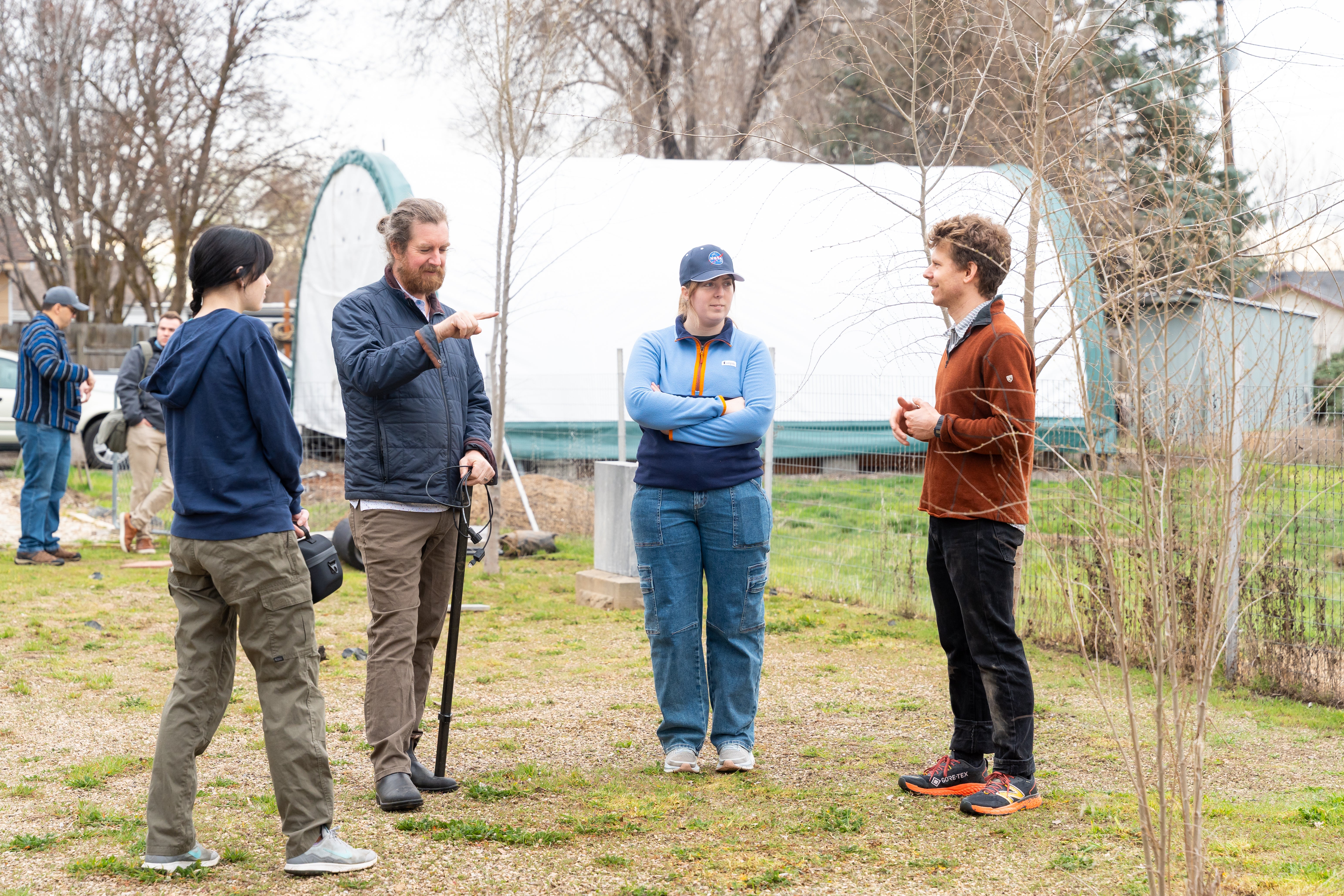
CWI Associate Professor of Geosciences, Ander Sundell, and Geoscience student, Kaylene Cecil, partnered with Boise State University Geoscience faculty and students to use ground-penetrating radar (GPR) technology to locate unmarked graves at a historic Mennonite cemetery. The project supports ongoing community efforts to restore and preserve the site, which dates back to the late 1800s.
The cemetery, originally affiliated with the Nampa Mennonite Church established during an influx of Anabaptist settlers to the region, holds the remains of some of Nampa’s earliest residents. The cemetery, now located on private property, has been maintained by local homeowners working alongside community and church partners to preserve the site.
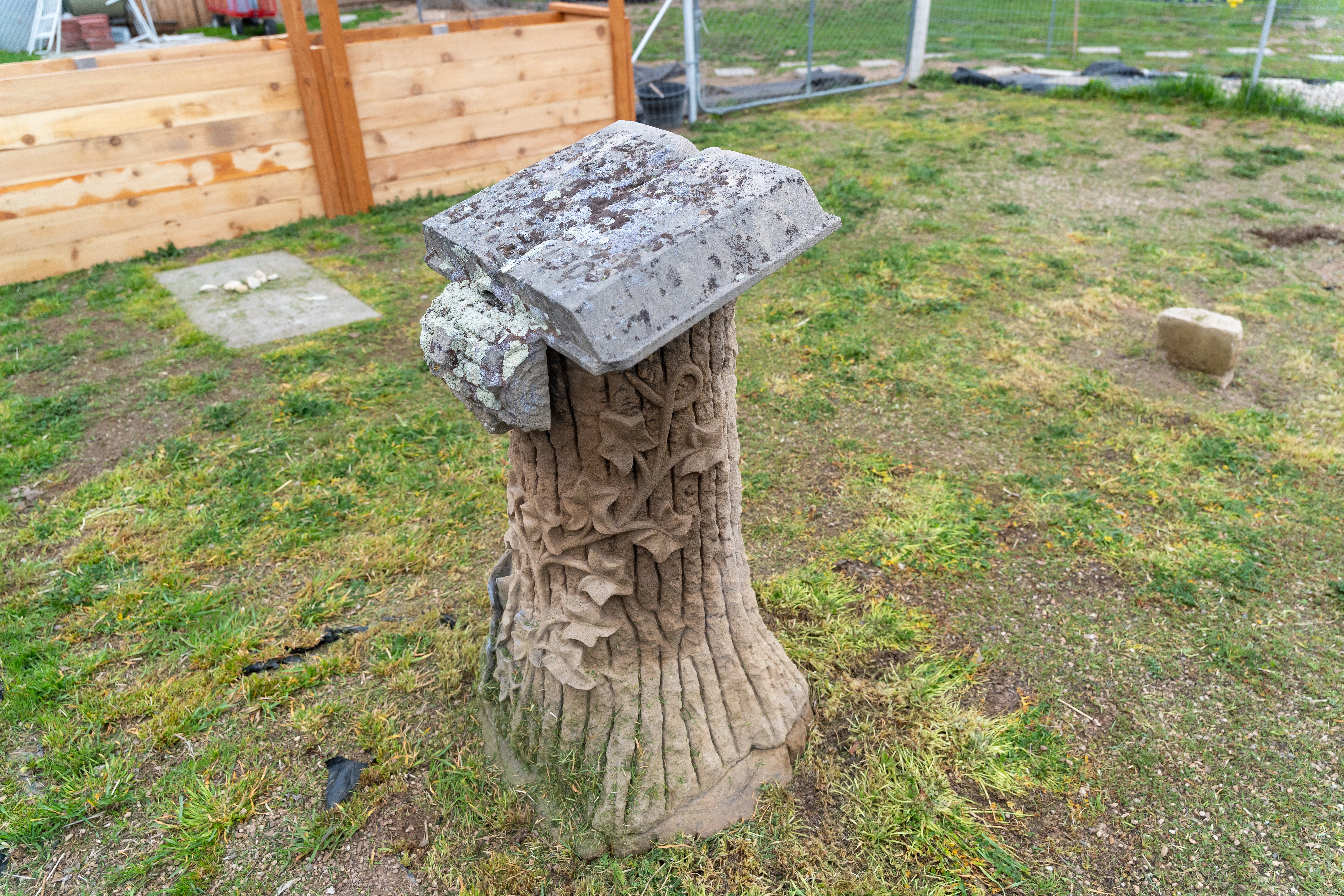
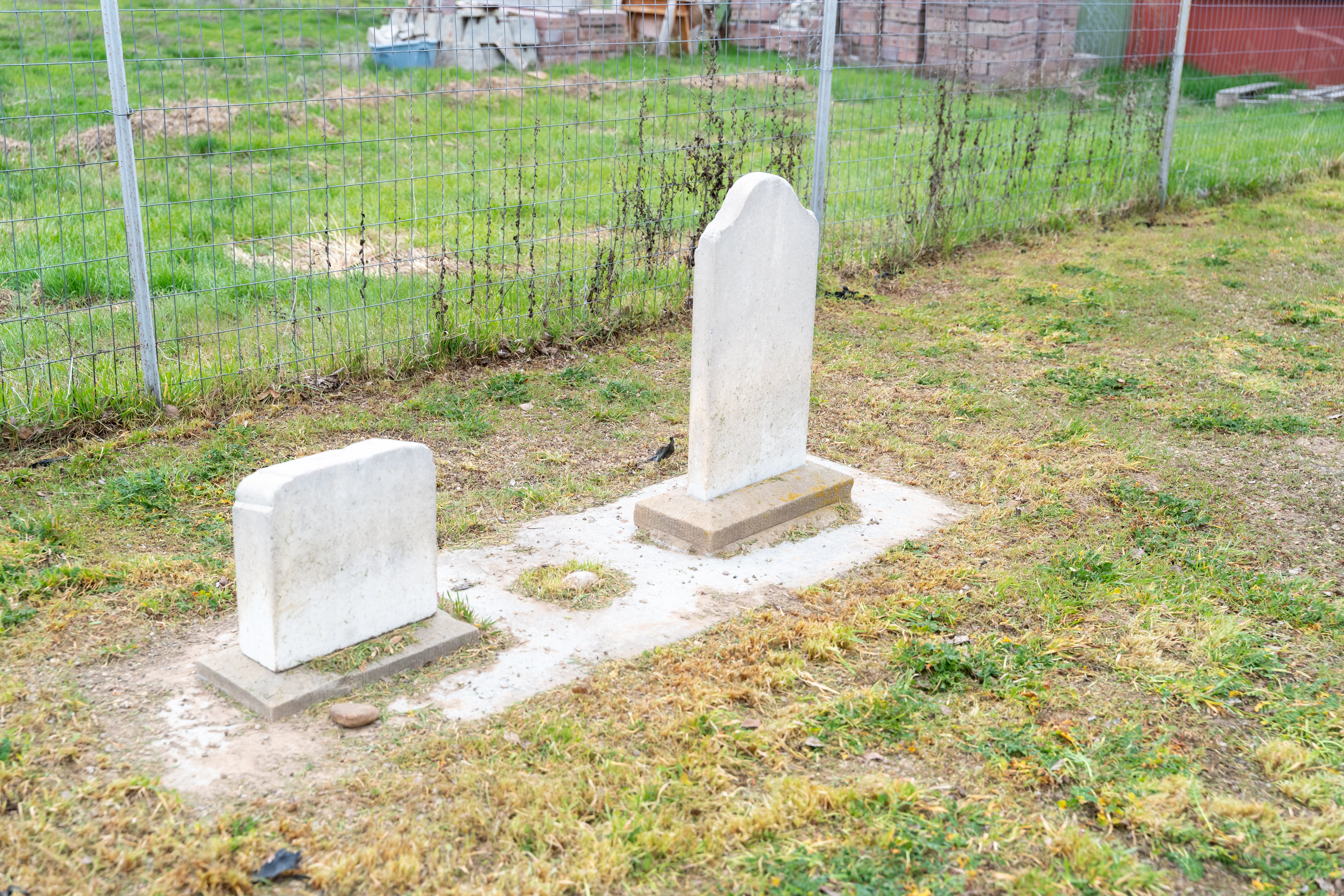
While historical records suggest more than a dozen individuals are buried there, only a handful of visible grave markers remain today.
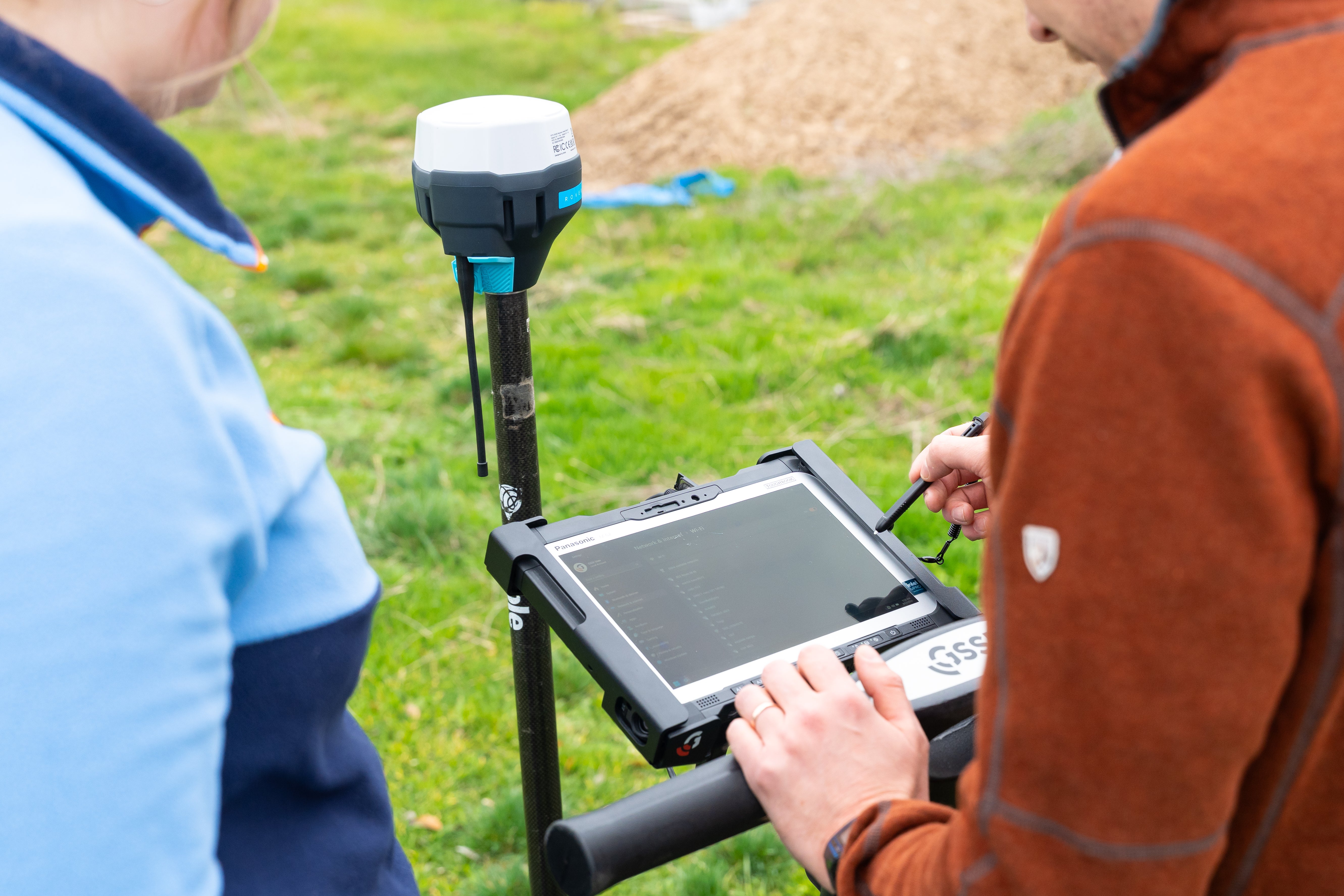
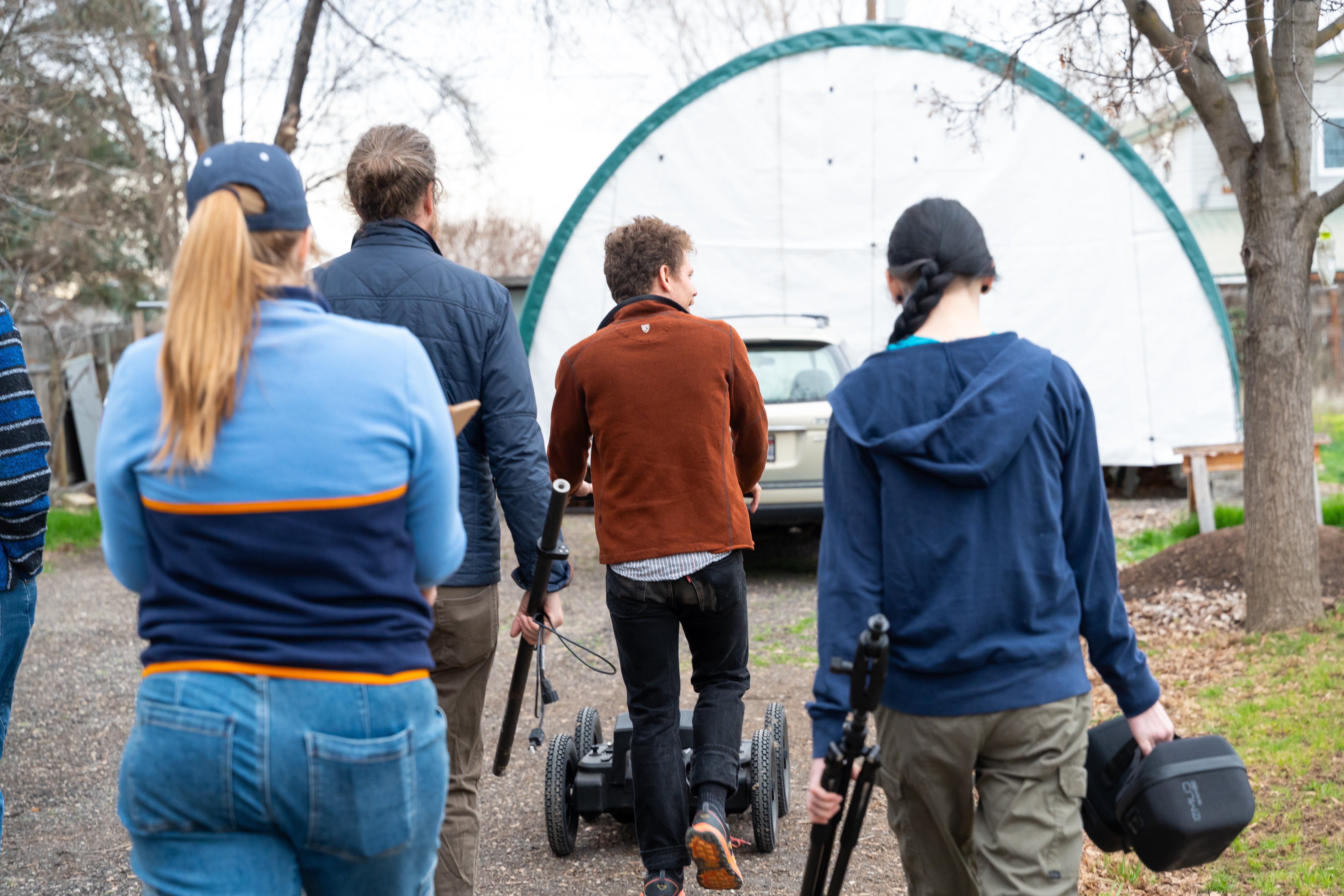
Using GPR, a non-invasive technology that detects changes in electrical properties, the group scanned the ground to identify potential burial locations. The equipment sends signals into the ground and records reflection patterns that may indicate disturbances such as graves. Preliminary results can be observed shortly after scanning.
The project came together through the efforts of CWI Research Analyst, Lazaro Martinez, who has been working with local churches, historians, and property owners to restore the cemetery.
“The end goal is to have it open to the public so the history is not forgotten,” Martinez said
The cemetery reflects a broader chapter of local history. In the late 1890s, Anabaptist groups, including Mennonites, migrated to the area with the intention of establishing a community. While that early colony did not last, its impact can still be seen today.
“This is a church cemetery, but it’s also a cemetery for some of the early founders of Nampa,” Martinez said.
Historical records show a range of individuals buried at the site, from clergy to children. Some graves, believed to belong to infants, remain unidentified, highlighting the challenges and hardships faced by early settlers in the region.
“It’s important to find them now because this generation may be the last to have any connection,” Martinez said. “These people laid the foundation of our city.”
The collaboration between CWI and Boise State began when Martinez reached out to Sundell to explore the use of GPR technology as part of the restoration effort. While CWI does not currently own a GPR unit, Sundell saw an opportunity to expand student learning through partnership.
“I knew that Boise State had been doing this type of work,” he said. “I contacted CWI alum Jerry Mock, a geophysicist currently at the University. He put me in touch with Assistant Professor of Geosciences, Dr. Andrew Gase, and his team.”
Through that connection, Sundell and Cecil were able to gain exposure to the widely used geophysical tool with applications far beyond the project site.
“Ground Penetrating Radar is a common imaging method and has a wide variety of uses,” Sundell said. “It is commonly used to determine water table depth, locate utilities, find bodies, and many more applications.”
Students participating in the field work gained hands-on experience using specialized geophysical equipment while contributing to a impactful community project.
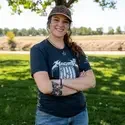
“It was nice to collaborate with students and faculty from Boise State and get a glimpse into how GPR is applied in the field,” said Cecil. “I learned a lot about what the setup process was like and how GPR data is collected in practice.”
She added, “Participating in a service project like this allowed me to meet and help other people in my community. Previously, I had no idea that the cemetery we studied even existed, so it was very eye-opening to not only have a new learning experience, but to also get a glimpse of Idaho's history.”
As of April 2026, results show ground disturbance anomalies in a row of seven locations, only one of which is within a reasonable proximity to a grave marker.
Looking ahead, Sundell sees potential for expanding these opportunities within the Geosciences program. He shared the program plans to apply for a second round of National Science Foundation funding after its current grant expires.
“CWI Geoscience program plans to purchase a GPR unit if our next round of funding is successful,” he said. “It would potentially be incorporated into our Field Methods course (GEOS 275) and would serve to help us develop an introductory applied geophysics course. That support would allow us to expand the technology available to both our Geoscience and Mining Technician students.”
The long-term goal of the effort is to support restoration of the cemetery and make it accessible to the public, ensuring the stories of those buried there are preserved.
Through partnerships like this, CWI continues to connect students with real-world experiences that support both academic growth and community impact.